Seething Wells Park wedding flowers guide for Surbiton brides
Posted on 27/09/2026
Seething Wells Park Wedding Flowers Guide for Surbiton Brides
If you are planning a wedding near Seething Wells Park, flowers can do a lot more than just look pretty. They set the tone, soften the setting, and help a Surbiton celebration feel personal rather than off-the-shelf. This Seething Wells Park wedding flowers guide for Surbiton brides is here to make the flower side feel calmer, clearer, and a bit less overwhelming. Because let's face it, once you start thinking about bouquets, buttonholes, ceremony flowers, and table arrangements, the decisions stack up quickly.
In this guide, you will find practical advice on choosing wedding flowers for a park-side or local venue feel, how to match seasonal blooms to your style, what to ask your florist, and how to avoid the common mistakes that tend to appear right at the end when everyone is already slightly frazzled. A good wedding flower plan should feel beautiful, yes, but also workable. That's the sweet spot.
You will also find a simple checklist, a comparison table, and a realistic example so you can picture how all the pieces fit together. If you want a style that suits Seething Wells Park's relaxed green surroundings while still feeling polished, you are in the right place.
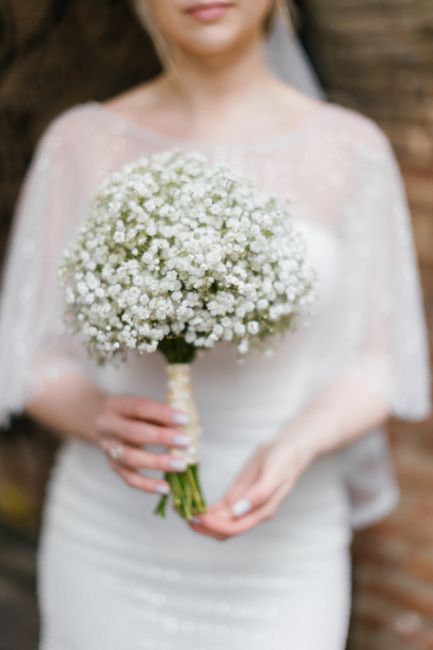
Why Seething Wells Park wedding flowers guide for Surbiton brides Matters
Flowers are one of those wedding details that people notice immediately, even if they cannot always explain why. At a park or near-outdoor setting like Seething Wells Park, they matter even more because the environment already brings a lot of visual texture. Trees, water, paths, natural light, foot traffic, wind - all of that shapes how flowers will look on the day.
For Surbiton brides, the biggest value of a local flower plan is fit. A bouquet that looks perfect in a showroom can feel too heavy, too formal, or too bright once you put it against a leafy park backdrop. The reverse is also true: simple flowers can suddenly look very elegant when they are framed by soft greenery and daylight. That is why a wedding flower guide for this location is useful. It helps you make choices that suit the setting, not just the catalogue.
There is also a practical side. Park weddings and nearby celebrations often involve movement between locations, quick transitions for photographs, and guests arriving with varying levels of weather-proof optimism. Your flowers need to travel well, hold up for longer than you expect, and still look fresh in photos taken at different times of day. Slightly annoying? Maybe. Important? Absolutely.
In our experience, couples often underestimate how much floral design affects the feel of the whole day. A few well-chosen arrangements can make a modest space feel intentional. And a careful colour palette can quietly tie together outfits, stationery, and table settings without trying too hard. That balance is what makes the difference.
Expert summary: For a Seething Wells Park wedding, the best flowers are usually the ones that suit the light, the season, the walking route, and the style of your venue or reception space. Beautiful is good. Beautiful and practical is better.
How Seething Wells Park wedding flowers guide for Surbiton brides Works
The easiest way to think about wedding flowers is in layers. First comes the overall look. Then the key pieces. Then the timing. If you try to choose each item in isolation, things can start to feel a bit random. If you choose the flowers as a connected plan, everything feels easier.
Start with the setting. Seething Wells Park has a natural, open feel, so your flowers should either complement that softness or deliberately contrast with it. Soft garden-style arrangements, elegant whites and greens, blush tones, pastel mixes, and romantic seasonal flowers usually work well. Strong jewel tones can work too, but they need careful handling so they do not overpower the setting.
Next, decide what the flowers actually need to do. Are they there mainly for the bouquet and photos? Or do you want a fuller floral story with aisle flowers, table centres, and buttonholes? There is no right answer here. Some couples want just enough floral presence to feel polished; others want a bigger visual moment. Both are valid.
Then comes the logistics, which is the bit that can either save your sanity or quietly ruin your afternoon if ignored. You need to think about delivery timing, water source, transport, setup space, and how long flowers will sit before the ceremony. A florist who understands local event timing can help, but it still helps to think these things through yourself.
Finally, think about the guest experience. Flowers are not only for photographs. They influence how people feel when they arrive, where their eye lands, and whether the whole day feels cohesive. A few well-placed arrangements near an entrance or ceremony point can do more than a huge amount of scattered decoration. A little goes a long way, strangely enough.
Key Benefits and Practical Advantages
Choosing flowers with Seething Wells Park in mind gives you more control over the finished look. Here are the biggest benefits.
- Better visual harmony: Park surroundings usually suit softer, more organic arrangements, so your flowers look like they belong there.
- Cleaner styling decisions: Once you know the setting, it becomes easier to pick colours, textures, and shapes.
- Less waste: You can focus budget on the items that matter most, such as the bridal bouquet, ceremony flowers, and reception focal points.
- Stronger photos: Flowers that work with the light and backdrop tend to photograph beautifully without looking overdone.
- Smoother planning: Knowing where flowers go, who carries them, and when they arrive removes last-minute confusion.
There is also a quieter benefit: confidence. Brides often feel calmer when they know the floral plan has been thought through properly. You walk into the day and simply know it will look right. That feeling matters, more than people admit.
If you are balancing other wedding costs, a smart floral plan also gives you flexibility. You might choose a more detailed bridal bouquet and simpler bridesmaid blooms, or keep ceremony flowers minimal and let the table arrangements do the work later. That kind of trade-off is normal, and frankly, sensible.
Who This Is For and When It Makes Sense
This guide is for brides planning a wedding in Surbiton, especially if the day includes Seething Wells Park or a nearby venue with a natural, outdoor, or relaxed feel. It is also useful if you are not getting married directly in the park but want flowers that suit the same atmosphere.
It makes sense if you are:
- planning a civil ceremony, humanist celebration, or a wedding with park-side photos
- wanting flowers that feel elegant but not stiff
- trying to coordinate bouquets, buttonholes, and table flowers without wasting budget
- unsure whether to choose seasonal blooms, roses, mixed flowers, or something more modern
- working with limited setup time on the day
It also helps if you are the sort of bride who likes to see the whole picture before committing. Some people can choose flowers in five minutes. Others need to see how the colours sit together, how the bouquet will feel in the hand, and whether the arrangements suit the season. Both approaches are fine.
Truth be told, most brides sit somewhere in the middle. They know what they like, but they want reassurance that it will all work on the day. That is exactly where a structured guide is useful.
Step-by-Step Guidance
1. Start with the venue feel, not the flower list
Before choosing specific blooms, think about the mood. Seething Wells Park suggests soft, natural, and lightly romantic styling rather than anything too rigid. Ask yourself: do you want fresh and airy, classic and timeless, or colourful and playful?
2. Choose a colour palette that suits the setting
Once the mood is clear, narrow the palette. Pale pinks, whites, creams, greens, lilacs, and soft peach often work beautifully outdoors. If you love brighter colours, keep the palette controlled so it feels deliberate rather than noisy. One strong accent colour can be enough.
3. Decide the must-have floral pieces
Most wedding flower plans include the bridal bouquet, bridesmaid bouquets, groom buttonhole, and a few key arrangements. From there, you can add ceremony flowers, corsages, table centres, or extra decor as needed. Start with the essentials. It keeps decision-making sane.
4. Match flower choices to the season
Seasonal flowers are often a better fit for weddings because they tend to feel fresher and more natural. A spring wedding may lean into tulips, ranunculus, or garden-style blooms, while summer can support fuller, looser arrangements. Autumn often suits richer tones and more texture. Winter may call for stronger structure and a slightly more polished look.
5. Think about movement and handling
Bridal bouquets need to be comfortable to carry. Buttonholes should stay neat and secure. Bridesmaid bouquets should complement the bridal bouquet without stealing the scene. If your plans involve walking outdoors for photographs, ask how the flowers will hold up in wind, sun, or a bit of damp weather. British weather. Always playing a role, isn't it?
6. Build in the timings
Confirm when flowers will be delivered, who will receive them, and where they will be kept before the ceremony. If there is a gap between delivery and use, make sure flowers have a cool, safe spot with water if needed. This is the boring part, yes, but it prevents a lot of stress later.
7. Check the final set-up list
Right before the wedding, review the exact number of bouquets, buttonholes, table pieces, and any extra items. If there are flowers for the cake table, registrars' table, or entrance, list them clearly. You do not want someone saying, "Wait, were we doing those too?" at 10:15 a.m. on the day.
Expert Tips for Better Results
Here are the little things that often make a big difference.
- Choose a bouquet scale that suits your frame and dress shape. A huge bouquet can overpower a delicate dress; a tiny one may disappear in photos.
- Let texture do some of the work. Mixing roses, lisianthus, chrysanthemums, alstroemeria, or orchids can create depth without needing too many colours.
- Keep one visual hero. That might be the bridal bouquet, a ceremony arrangement, or the table display. Not everything needs to shout.
- Plan for close-up photos. Hands, ribbons, boutonnieres, and bouquet fronts matter more than many people expect.
- Use scent carefully. Some fragrant flowers are lovely, but if you or your guests are sensitive, you may prefer gentler choices.
- Ask for a day-of handover plan. A florist who knows who receives what, and when, saves everyone from confusion.
One good rule: if your flowers look beautiful from three metres away and still hold up in a close-up shot, you are probably on the right track. That sounds obvious, but it is surprisingly useful.
And if you are torn between two styles, compare them in the light you actually expect. Early evening by the park can feel softer and warmer than a bright indoor room at midday. Small detail, big effect.
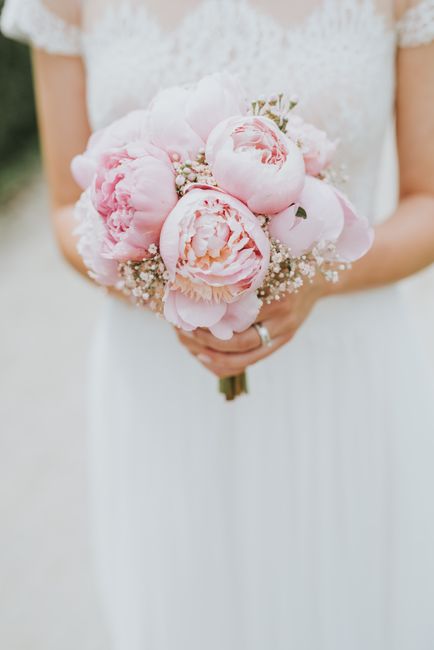
Common Mistakes to Avoid
Even well-organised brides can trip over the same handful of floral mistakes. Happily, they are easy to avoid once you know what to look for.
- Choosing flowers without considering the venue light. Some colours glow in soft daylight and look harsh elsewhere.
- Overpacking the arrangement list. Too many small items can cost more and make the styling feel cluttered.
- Ignoring weather and travel time. Outdoor or park-side flowers need a plan for movement, not just display.
- Forgetting about comfort. A bouquet should feel nice to hold. If it is awkward, you will notice by the time the photos start.
- Mixing too many unrelated styles. A classic bouquet, rustic table flowers, and ultra-modern buttonholes can work together only if there is a clear thread connecting them.
- Leaving colour decisions too late. Once dresses and stationery are chosen, the flowers should support the rest of the design, not fight it.
One more thing: do not let social media pressure push you into flowers that look amazing online but do not suit your day. Gorgeous is lovely. Appropriate is better. That bit gets forgotten.
Tools, Resources and Recommendations
You do not need fancy tools to plan good wedding flowers, but a few simple resources make the process much easier.
- Colour swatches or fabric samples: Helpful when matching bouquets to dresses, ties, or table linens.
- A simple mood board: Keep images of bouquet shapes, colour palettes, and arrangement styles in one place.
- Guest and table list: Useful for working out how many buttonholes, corsages, and centrepieces you actually need.
- Timeline notes: Delivery times, setup windows, and photo timings should sit somewhere visible, not buried in a chat thread.
- Flower care guidance: A useful florist will explain how to keep bouquets fresh before the ceremony and after delivery. If you need more general care guidance, the site's flower care advice is a handy reference.
For Surbiton brides comparing styles or looking for a ready-made starting point, the wedding flowers in Surbiton page can help you explore the wider wedding range. If you want to see bouquet and arrangement options that are suited to ceremonies and receptions, the wedding collection is worth a look as well.
In practical terms, the best tool is still a clear plan. But the second-best tool is a florist who listens properly. That sounds a bit obvious, maybe even annoyingly obvious, but there you go.
Law, Compliance, Standards, or Best Practice
Wedding flowers are not heavily regulated in the way some other services are, but best practice still matters. A reliable florist should be clear about what is included, how flowers are delivered, what happens if a substitution is needed, and how far in advance changes can be made. Those details protect both sides and avoid awkward surprises later.
For UK weddings, the main practical standards are simple: accurate descriptions, fair communication, sensible substitution policies, and safe handling of fresh products. If flowers are being displayed outdoors or transported across different locations, they should be managed in a way that keeps them in good condition. That usually means water, cool storage where possible, and careful timing.
If your wedding includes a venue with specific access rules, setup windows, or restrictions on materials, make sure those are checked early. Some spaces are happy with everything; others are a bit fussier. Not a drama, just something to know. Also, if you are using petals or arranging flowers near walkways, think about slip risk and keep things tidy.
Best practice also means being realistic about substitutions. Seasonal availability can change. A good florist should offer alternatives that keep the same colour balance and style rather than simply swapping in whatever is convenient. That is what good service looks like.
Options, Methods, or Comparison Table
If you are still deciding how floral-heavy your wedding should be, this comparison may help.
| Approach | Best for | Pros | Watch-outs |
|---|---|---|---|
| Minimal floral styling | Small ceremonies, tight budgets, simple parkside photos | Clean, elegant, easy to manage | Can feel sparse if the venue area is large |
| Classic floral package | Brides who want the expected essentials covered | Balanced, practical, familiar | May need careful colour planning to avoid looking standard |
| Statement bridal bouquet with lighter extras | Style-led weddings with selective spending | Strong photos, memorable look | Other pieces may need to stay very simple |
| Full ceremony and reception styling | Larger celebrations or highly coordinated designs | Very cohesive, immersive, polished | More coordination, more cost, more setup detail |
There is no perfect answer here. A lot depends on your venue, guest count, and how much visual impact you want. For a Seething Wells Park setting, many couples find the middle ground works best: enough flowers to feel special, not so many that the setting loses its natural charm.
Case Study or Real-World Example
Here is a realistic example of how this might come together.
A Surbiton bride plans a late spring wedding with photographs near Seething Wells Park and a reception a short drive away. She wants the day to feel romantic but relaxed, with nothing too fussy. Her dress is soft and structured, so she chooses a bouquet with white roses, blush tones, and a little greenery. The bridesmaids carry smaller versions with slightly more texture. The groom wears a simple white buttonhole, and a few table arrangements are added later in the day.
Because the ceremony is close to the park, the florist keeps the arrangements compact enough to travel well. The bouquet is designed with one side that photographs beautifully from the front, which matters more than people think. The colour palette stays quiet and fresh, and the flowers sit comfortably against the natural background instead of competing with it.
The bride later says the best part was how easy the flowers felt. Not boring. Just calm. Everything looked put together without looking overworked. That is often the goal, honestly. Nobody wants the flowers to announce themselves too loudly. They should support the day, not hijack it.
And yes, a couple of petals were slightly tousled by the breeze during photos. That only made the shots feel more alive. Sometimes imperfect is exactly right.
Practical Checklist
Use this checklist as you finalise your flower plan.
- Confirm the venue style: Park setting, indoor reception, or both?
- Choose your palette: Soft, classic, bold, seasonal, or mixed?
- List the essentials: Bridal bouquet, bridesmaid bouquets, buttonholes, corsages.
- Decide on extras: Ceremony flowers, table flowers, entrance pieces, cake flowers if needed.
- Check seasonal availability: Ask about realistic blooms for your wedding month.
- Review transport and timing: Who receives the flowers, and when?
- Confirm sizes: Especially bouquets and table centres.
- Agree substitutions: Make sure any alternatives stay true to the style.
- Plan storage: Cool space, water where needed, out of direct heat.
- Double-check final quantities: One missing buttonhole can become everyone's problem.
Quick takeaway: If the setting is natural and open, let the flowers breathe a little. Don't crowd them. Give the design room to feel elegant.
Conclusion
Planning flowers for a Seething Wells Park wedding is really about balance. You want arrangements that feel beautiful in photos, comfortable to carry, suitable for the season, and realistic for the flow of the day. When you get those things right, the flowers stop being a source of stress and become one of the easiest parts of the celebration to enjoy.
The best results usually come from keeping the plan clear: start with the setting, choose a palette that works with the light, prioritise the essentials, and only add extras where they genuinely improve the day. That approach is calm, sensible, and surprisingly stylish.
So if you are a Surbiton bride trying to make sense of it all, take a breath. Start simple, keep it personal, and choose flowers that feel like you. That is the bit guests remember, after all.
Get a free quote today and see how much you can save.
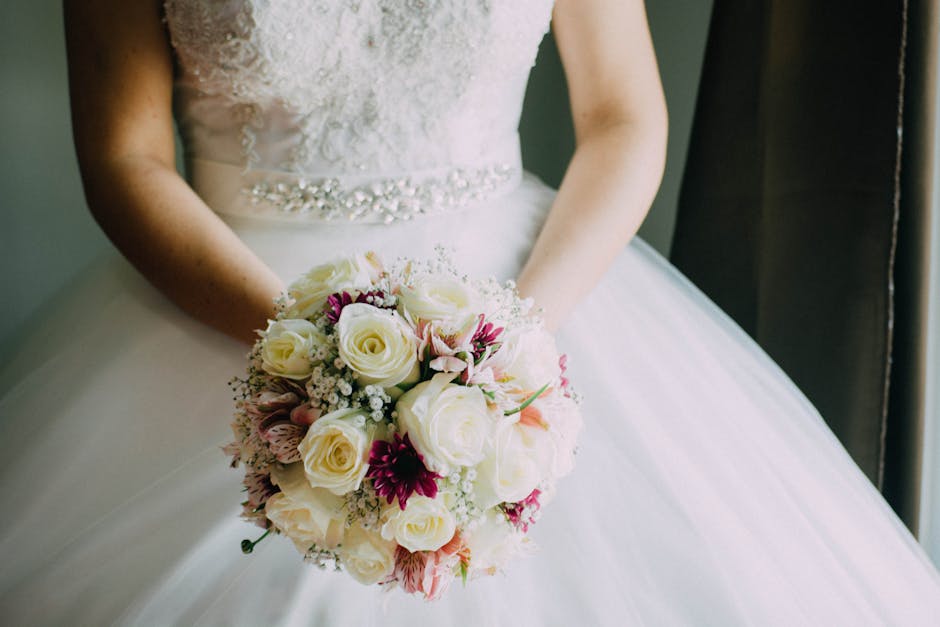
Frequently Asked Questions
What flowers work best for a Seething Wells Park wedding?
Soft, garden-style flowers often work beautifully because they suit the natural backdrop. Many brides choose roses, lisianthus, alstroemeria, orchids, or mixed seasonal blooms. The best choice depends on your colour palette, dress style, and the time of year.
Should I choose seasonal flowers for a Surbiton wedding?
Usually, yes. Seasonal flowers tend to feel more natural in style, and they are often easier to source in good condition. They also make it easier to match the mood of an outdoor or park-side setting without forcing the look.
How many floral items do I actually need?
Most brides begin with the essentials: bridal bouquet, bridesmaid bouquets, groom buttonhole, and maybe a few table arrangements. Extras are optional. It is better to define what matters most first, then add more only if the budget and venue justify it.
Can wedding flowers still look elegant if I keep the budget modest?
Absolutely. A smaller, well-designed flower plan can look more elegant than a larger one that is unfocused. The trick is to spend on the pieces people will notice most, such as the bridal bouquet and key display areas.
How far in advance should I arrange wedding flowers?
It is sensible to start planning early, especially if you want specific blooms or a particular style. That gives you time to compare options, confirm colours, and make sure the florist understands the venue and timing.
What if the weather is windy or damp on the day?
This is worth planning for, especially near a park. Choose flowers and arrangements that travel well, avoid overly fragile designs where possible, and make sure there is a clear handover plan so bouquets are kept fresh before use.
Do buttonholes and corsages need to match the bouquet exactly?
No, they do not need to be identical. They should feel related, though. Usually that means using the same palette or similar flowers in a simpler form so the whole wedding party looks coordinated.
Are white flowers the safest choice for a Seething Wells Park wedding?
White is a classic option and it always looks clean against greenery, but it is not the only safe choice. Pale pinks, creams, peach, lilac, and soft mixed tones can be just as effective. The key is harmony, not rule-following.
How do I make sure the flowers photograph well?
Ask for a bouquet shape and colour mix that works from a distance and up close. Photos near natural light usually suit softer tones and a little texture. A florist who understands wedding photography can be very helpful here.
Can I mix different flower styles in one wedding?
Yes, but there should still be a clear thread running through the design. For example, you could combine a romantic bridal bouquet with simpler bridesmaid flowers and matching table arrangements. What matters is that the colours and textures feel connected.
What should I ask a florist before booking?
Ask what is available in your season, whether substitutions may be needed, how delivery works, how the flowers will be kept fresh, and what happens if your timings change. Those practical details matter just as much as the look.
Is it better to choose a bouquet first or the table flowers first?
Usually the bouquet first. It is the most personal piece and often sets the tone for everything else. Once the bouquet style is clear, it becomes much easier to shape the bridesmaid flowers and table arrangements around it.


